
The Acupuncture Evidence Project: New review finds mounting evidence
In a new review of acupuncture research, Australian researchers have found that the quality of evidence and the number of conditions for which acupuncture has been shown to be effective has increased significantly since the last major review published by the US Veterans Affairs Department in 2014.
In a project funded by the Australian Acupuncture and Chinese Medicine Association Ltd (AACMA), researcher Dr John McDonald PhD and Stephen Janz reviewed all the systematic reviews of acupuncture published between March 2013, the cut-off date for the US Veterans Affairs ‘Evidence Map of Acupuncture’, and September 2016. A total of 136 systematic reviews, including 27 Cochrane systematic reviews, were included in this review, along with three network meta-analyses, nine reviews of reviews and 20 other reviews. In total over 8,000 randomised controlled trials of acupuncture have now been published and over 1,000 of these were included in the systematic reviews examined. In all, 122 conditions were reviewed.
In the Evidence Map of Acupuncture only three conditions reached the highest level of evidence – ‘Evidence of Positive Effect’. However, that number has risen to eight conditions in the new review: allergic rhinitis; chronic low back pain; migraine prevention; chronic tension-type headache; knee osteoarthritis; post-operative nausea and vomiting; post-operative pain; and chemotherapy-induced nausea and vomiting (CINV).
A further 38 conditions are now graded as ‘Evidence of Potential Positive Effect’ compared to 20 conditions in the 2014 Evidence Map. There was either low quality evidence or conflicting evidence for 71 more conditions categorised as ‘Unclear/ Insufficient evidence’. Only five conditions were found to have ‘No evidence of effect’. In total positive results were found at various levels of evidence for 117 conditions. It is clear that the research effort in acupuncture is accelerating and that many new conditions are now being studied for the first time. The other emerging trend is that researchers are becoming more specific in their research focus. What was once reviewed as just ‘cancer adverse effects’ has now been separated into a dozen different conditions including cancer pain, cancer-related insomnia, cancer-related fatigue, chemotherapy-induced nausea and vomiting.
Where studies on safety or cost-effectiveness of acupuncture were available, these results have been included in the review. Overall, acupuncture was found to safe in the hands of well-trained practitioners, and acupuncture was specifically shown to be safe in treatment of low back pain, migraine, osteoarthritis of the knee, depression, allergic rhinitis, prostatitis pain/chronic pelvic pain syndrome, ambulatory anaesthesia, Alzheimer’s disease and cancer-related psychological symptoms. Studies also showed acupuncture to be cost-effective for low back pain, migraine, headache, chronic pain, neck pain, post-operative nausea and vomiting, osteoarthritis, allergic rhinitis, depression, dysmenorrhoea, ambulatory anaesthesia.
Acupuncture is now recommended by many clinical practice guidelines. By November 2015, over 870 recommendations for acupuncture were identified for over 100 conditions from multiple international groups and over 30 countries. Examples include:
- Acute Pain Management: Scientific Evidence published by the Australian and New Zealand College of Anaesthetists and Faculty of Pain Medicine in 2015
- Clinical Practice Guidelines for the Management of Rotator Cuff Syndrome in the Workplace published by The University of New South Wales in 2013
- Consensus Guidelines for the Management of Postoperative Nausea and Vomiting published in USA by the Society for Ambulatory Anesthesia in 2014
- Clinical Practice Guidelines For Allergic Rhinitis published by the Otolaryngology Head Neck Surgery Foundation’s in 2015
- The National Institute for Health and Care Excellence (NICE), UK for migraine and tension type headache in 2012
- Guideline for the Management of Chronic Pain published by The Scottish Intercollegiate Guidelines Network in 2013
- Clinical Practice Guidelines for Breast Cancer Treatment published by The National German Gynaecologic Oncology Association’s (Arbeitsgemeinschaft Gynakologische Onkologie) in 2015.
This review reflects the current state of evidence from research, but is not a definition of acupuncture’s scope of practice. When research attempts to validate traditional medical practices which have a history of over two millennia, it takes a great deal of time, research effort and funding to fully explore acupuncture’s scope of practice as it is described anecdotally in the historical literature, which includes thousands of clinical acupuncture books dating from the pre-Christian era to the present day.
What is clear is that the evidence for the effectiveness, safety and cost-effectiveness of acupuncture is growing rapidly.
The Acupuncture Evidence Project by Dr John McDonald, PhD and Stephen Janz was commissioned and funded by the Australian Acupuncture and Chinese Medicine Association Ltd (AACMA).
A plain language summary and the full document (81 pages) is available from the Australian Acupuncture and Chinese Medicine Association Ltd (AACMA): http://www.acupuncture.org.au.
McDonald J, Janz S. The Acupuncture Evidence Project: A Comparative Literature Review (Revised edition). Brisbane: Australian Acupuncture and Chinese Medicine Association Ltd; 2017.
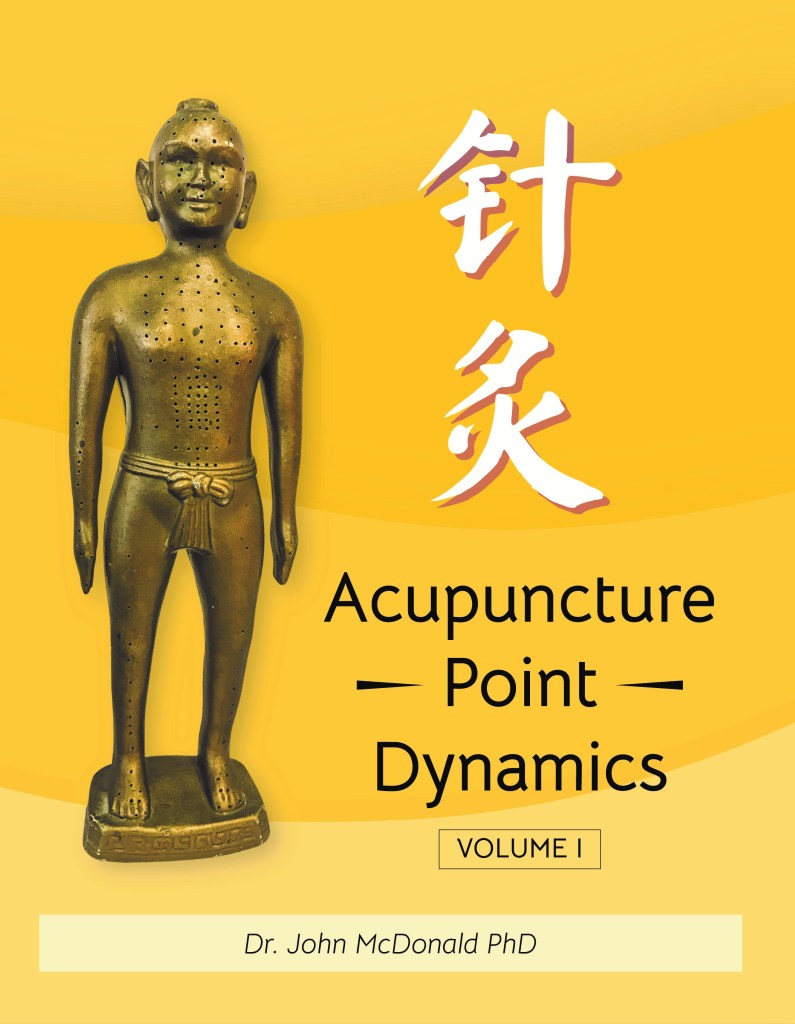
Acupuncture Point Dynamics (Volumes 1 and 2) [Revised edition 2020]

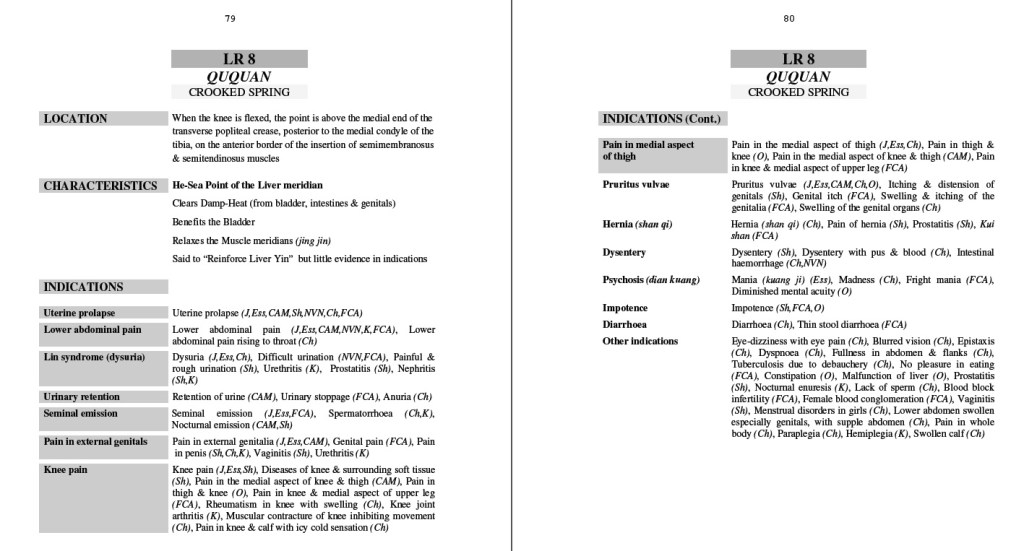
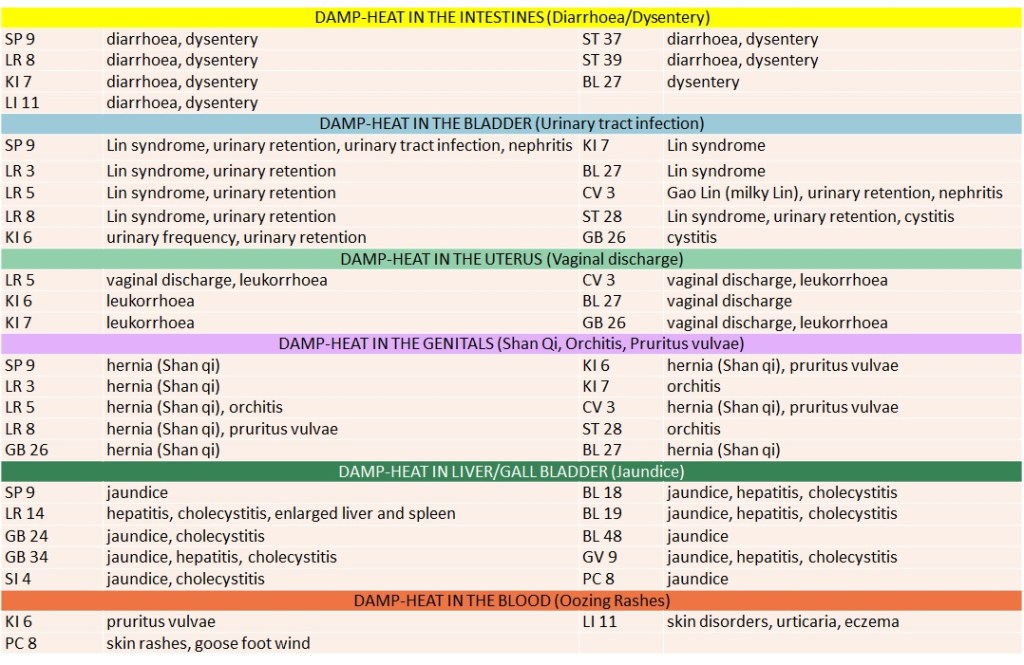
Here is an example of how to use the information in Acupuncture Point Dynamics to answer questions about acupuncture points. Some authors have written that LR 8 (Ququan) “builds Liver Blood” and that it “Reinforces Liver Yin”. One way to test such statements for clinical relevance is to examine the indications of LR 8 from a variety of modern texts to see how prominent signs and symptoms of Liver Blood Xu or Liver Yin Xu actually are. It is evident that few if any of the indications of LR 8 relate to either Liver Blood Xu or Liver Yin Xu, hence these statements are not supported by this evidence. Acupuncture Point Dynamics (Volumes 1 and 2) is available from Blurb bookstore online at: https://au.blurb.com/b/10139097-acupuncture-point-dynamics-…
https://au.blurb.com/b/10139144-acupuncture-point-dynamics-…
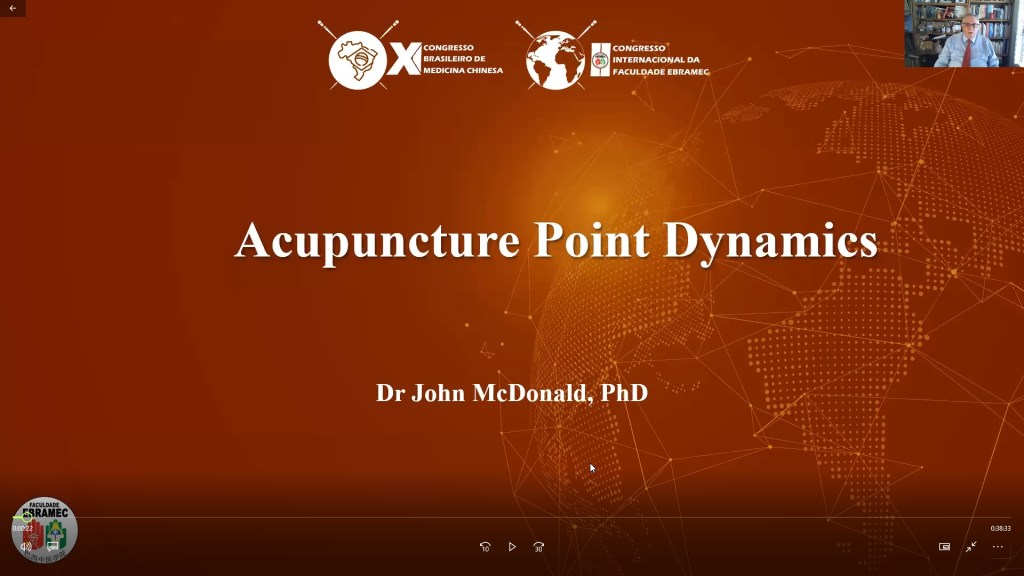
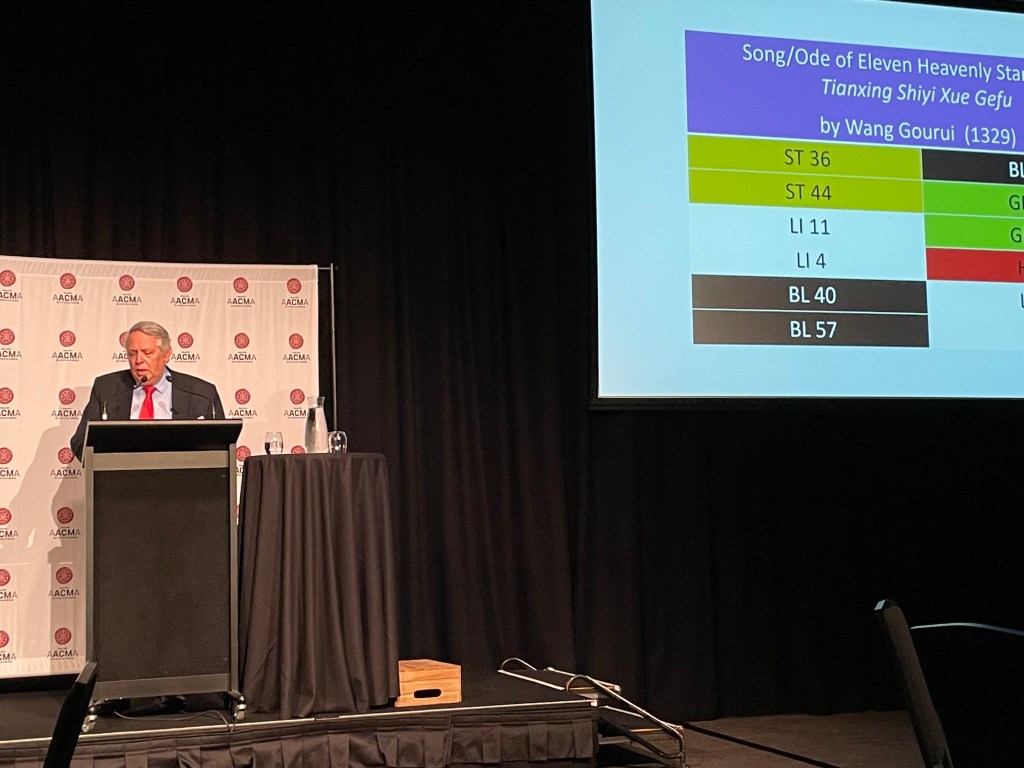
2022 has been a busy year
2022 has seen the return of post-Covid international travel and an abundance of acupuncture conferences and webinars.
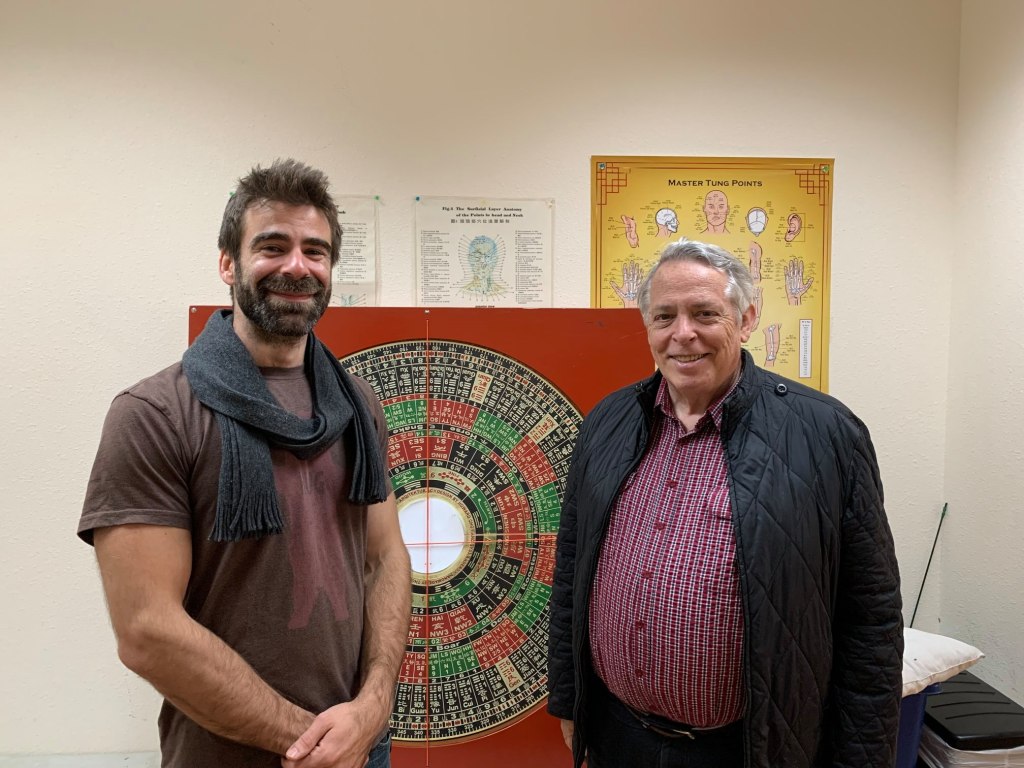



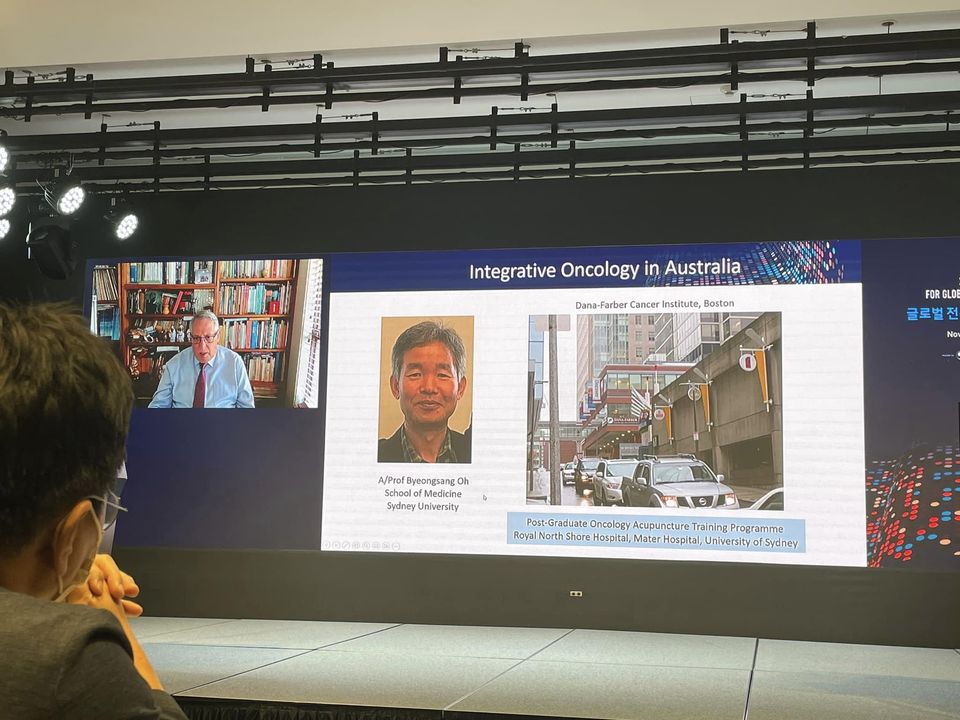
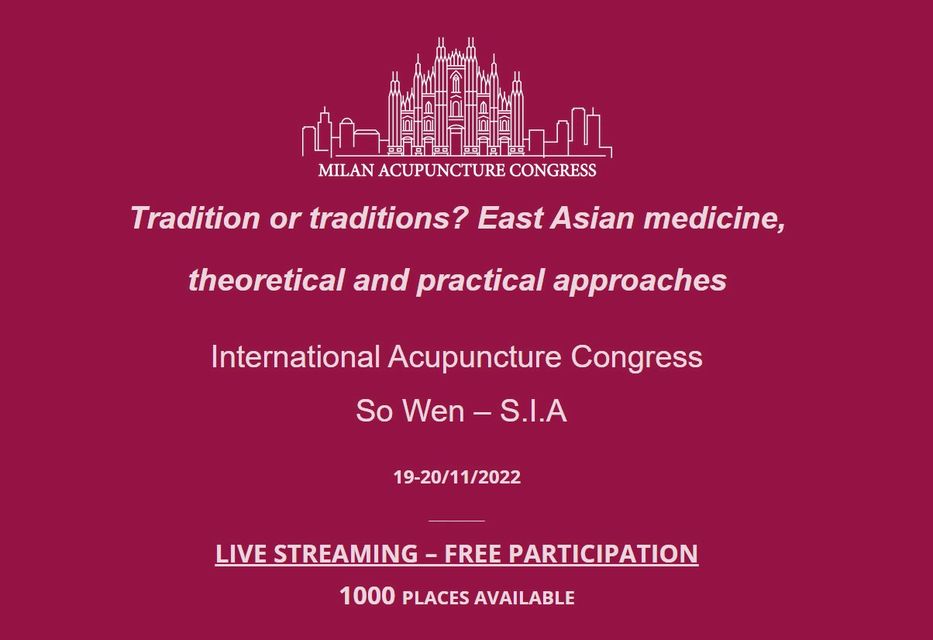
After a very busy year we are looking forward to some rest and relaxation in the company of family and friends. Southport Acupuncture Clinic will continue to operate throughout the holiday season (with reduced hours) except for public holidays. From Southport Acupuncture to Clinic to you, whether you celebrate Christmas, Hannukah, Kwanza or other festivals, have a happy, peaceful and safe holiday season!
Where Do Acupuncture Point Indications Come From?
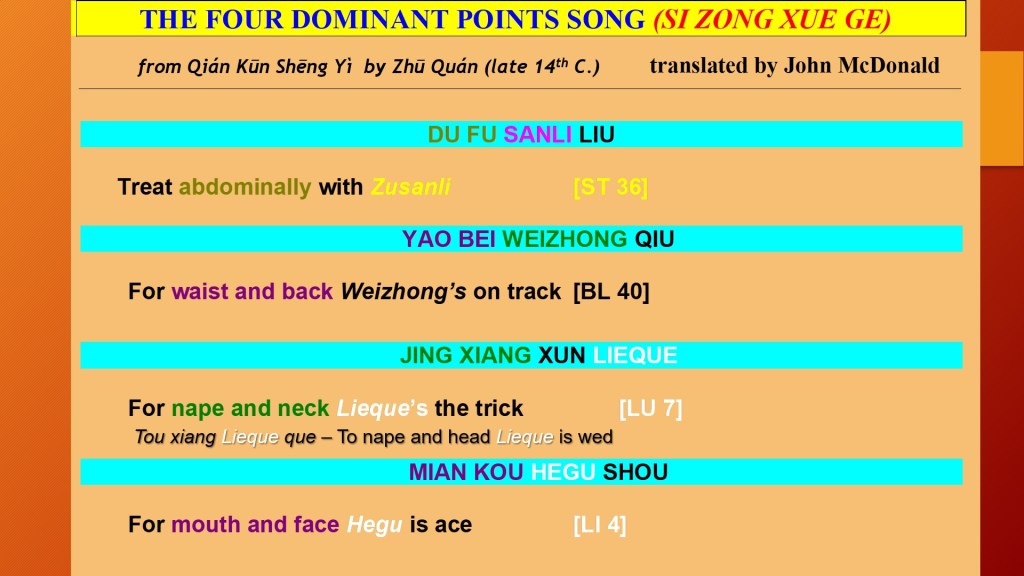
Point indications were systematised during the creation of the modern TCM model in the 1950s. While they are useful as generalisations, without the context from which they were drawn, namely actual clinical indications based on hundreds of years of clinical practice, point function/action statements can be misleading. Clinical context is vital to make accurate selection of acupuncture points. This was the original driving force behind my decision in 1980 to explore point indications and their connections to actions in depth. When I began I knew it would be a big task but I had no idea just how big. The original project, Acupuncture Point Dynamics (Volumes 1 & 2) was finally completed and published during CoVid lockdown in 2021. I have always loved the acupuncture odes and songs, so once the first two volumes were published I began work on Volume 3 to place point uses into their historical context, including point information from the Ling Shu, Nanjing and the odes and songs such as Ma Danyang’s 12 Celestial Points Song (4 versions), Ode of the Orchid River, Song of the Basics of Needle Manipulation and many more. The bottom line? Every point indication in every book comes from somewhere and this “somewhere” is usually the distilled clinical experiences of many generations of acupuncturists and authors. If you would like to know more about how to enhance the accuracy of your acupuncture point selection, you can browse or purchase all three volumes of Acupuncture Point Dynamics from Blurb Books website:
Acupuncture Point Dynamics Volume 1
https://au.blurb.com/b/10139097-acupuncture-point-dynamics-volume-1
Acupuncture Point Dynamics Volume 2
https://au.blurb.com/b/10139144-acupuncture-point-dynamics-volume-2
Acupuncture Point Dynamics Volume 3
https://au.blurb.com/b/11090866-acupuncture-point-dynamics-volume-3
 Southport Acupuncture Clinic